
Why Your Child Craves Junk Food and Sugar (And How to Reduce It Without a Fight)

"I feel like my son is always sneaking snacks. We eat dinner, and 30 minutes later, he's back in the pantry. I don't get it — he just ate!"
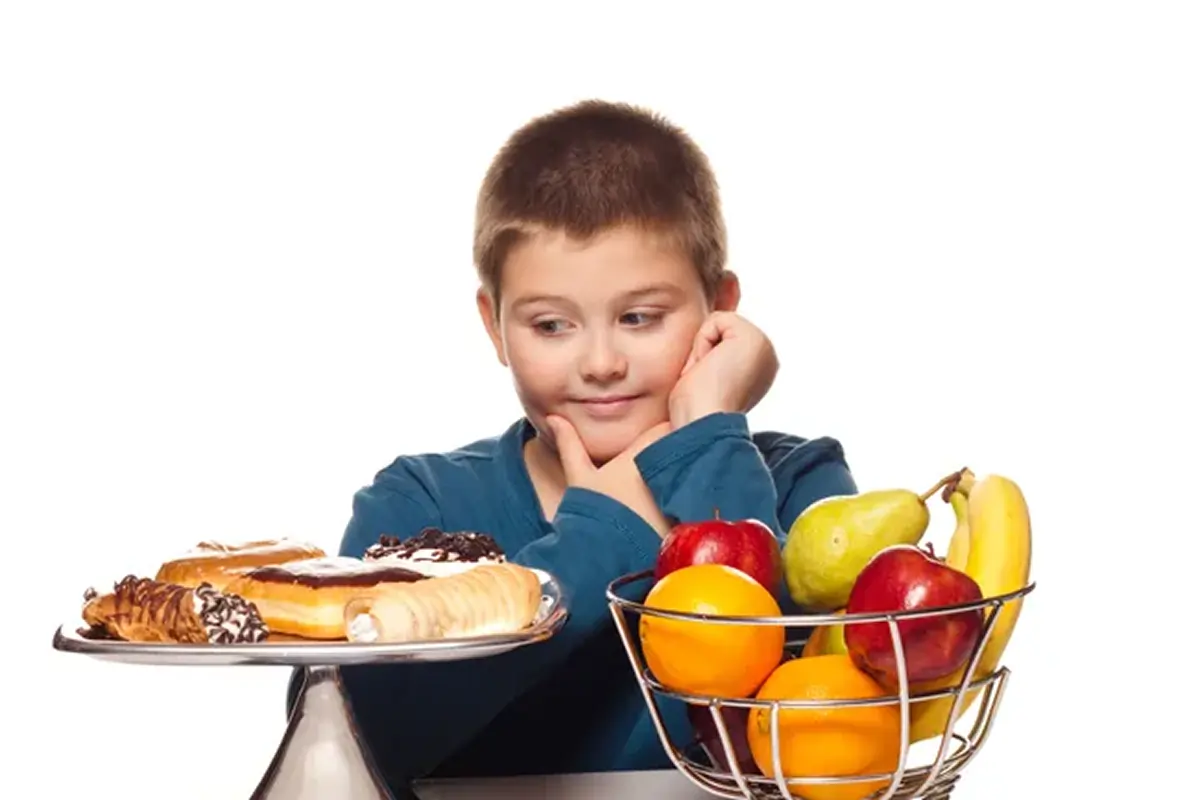
This is something I see in family after family. The craving isn't always for food — it's for the feeling food gives them.
Once you understand what's really going on biologically, you can take steps to support your child — without shame, stress, or constant battles.
🧠 What's Really Causing Sugar Cravings in Children
1. Their Brain is Wired for Fast Rewards
Over time, your child's brain begins craving that dopamine hit, not the food itself.
Carlos's son would even say, "I just need something crunchy." That wasn't a lack of willpower — it was a dopamine loop.
2. Their Hunger Is Being Hijacked by Sugar Spikes
Carlos noticed his son's snacking was worse after eating processed foods. Once they prioritized protein- and fiber-rich meals earlier in the day, the constant hunger started to fade.
3. Their Gut Bacteria Are Fueling Cravings
When kids eat a lot of sugar and processed foods, sugar-loving bacteria multiply — and send signals to the brain that scream, "More sugar, please!"
When Carlos added in more fiber and whole foods, the gut balance shifted — and cravings started to fade naturally.
✅ 4 Proven Ways to Reduce Junk Food Cravings in Kids
1. Balance Their Plate with Fullness Foods
✔ Protein (chicken, eggs, tofu, Greek yogurt)
✔ Fiber and complex carbs (veggies, fruits, oats, beans, brown rice)
✔ Healthy fats (avocado, olive oil, nuts)
These foods stabilize blood sugar and keep cravings at bay.
Smart breakfast swap:
Instead of: Cereal with milk
Try: Scrambled eggs with oatmeal and fruit
2. Gradually Crowd Out Junk Food at Home
As your child's body starts getting what it actually needs — protein, fiber, healthy fats — the cravings for processed snacks naturally begin to fade.
Instead of saying "no" to chips or cookies, shift the environment:
✔ Make healthy options more easily available (stock your fridge with an abundance of whole, nutritious foods)
✔ Slowly stop restocking ultra-processed foods at home. Let them be occasional treats outside the house, not pantry staples.
Over time, your home becomes a place where only real, nourishing food lives — not through restriction, but by gently making the good stuff the default.
3. Keep Junk Food Out of the House (But Not Off-Limits)
✔ Don't stock the house with chips, soda, or candy
✔ Treats can still happen — but make them an outside-the-house thing (e.g. ice cream at the park, dessert at a birthday party)
By shifting how often your child sees these foods, you reduce temptation and normalize balance. They'll still enjoy treats, but cravings won't run the show.
4. (Most important!) Redirect Boredom Snacking with Connection and Play
Sometimes, your child isn't truly hungry — they're just bored, restless, or craving stimulation.
Instead of reinforcing the habit of reaching for food when they're not hungry, offer something else their brain and body actually need: connection, movement, or fun.
When you suspect it's not real hunger, try this:
Invite them to play a quick game, go for a walk, or do something hands-on together or with their friends.
Suggest a fun, low-pressure activity like drawing, building, dancing, or tossing a ball.
Say something like:
"Let's check — is your tummy actually hungry, or are you just looking for something fun to do?"
This gentle redirection helps their brain get the dopamine it was seeking — from play and engagement, not food. Over time, they learn to recognize the difference between physical hunger and emotional or mental boredom, and build better coping tools naturally.
💬 Ready to Stop the Sneaking and Snacking Cycle?
And the truth is, it's not about willpower, bad habits, or being a "picky eater."
It's about understanding what's really going on inside your child's body — and learning how to support them with the right foods, structure, and emotional tools.
If you're tired of constant snacking, sugar cravings, or food battles…
If you've tried everything, but nothing seems to stick...
If you just want a clear, doable path that actually helps your child feel full, focused, and confident again…
I offer a free, no-pressure session where we can look at what's going on, what your child actually needs, and the exact first steps to take — personalized for your family.
You don't have to figure this out alone.
You just have to take the first step.
With love,
Ready to create lasting change for your family?
Apply Here