
How to Get Your Child Moving More, Without Power Struggles

When I spoke with Dana, a mom of two, she sighed and said:
“I know my son needs to move more — but it’s such a fight. He says he’s tired. He’d rather play video games. I feel like I’m nagging all the time.”
“I know my son needs to move more — but it’s such a fight. He says he’s tired. He’d rather play video games. I feel like I’m nagging all the time.”
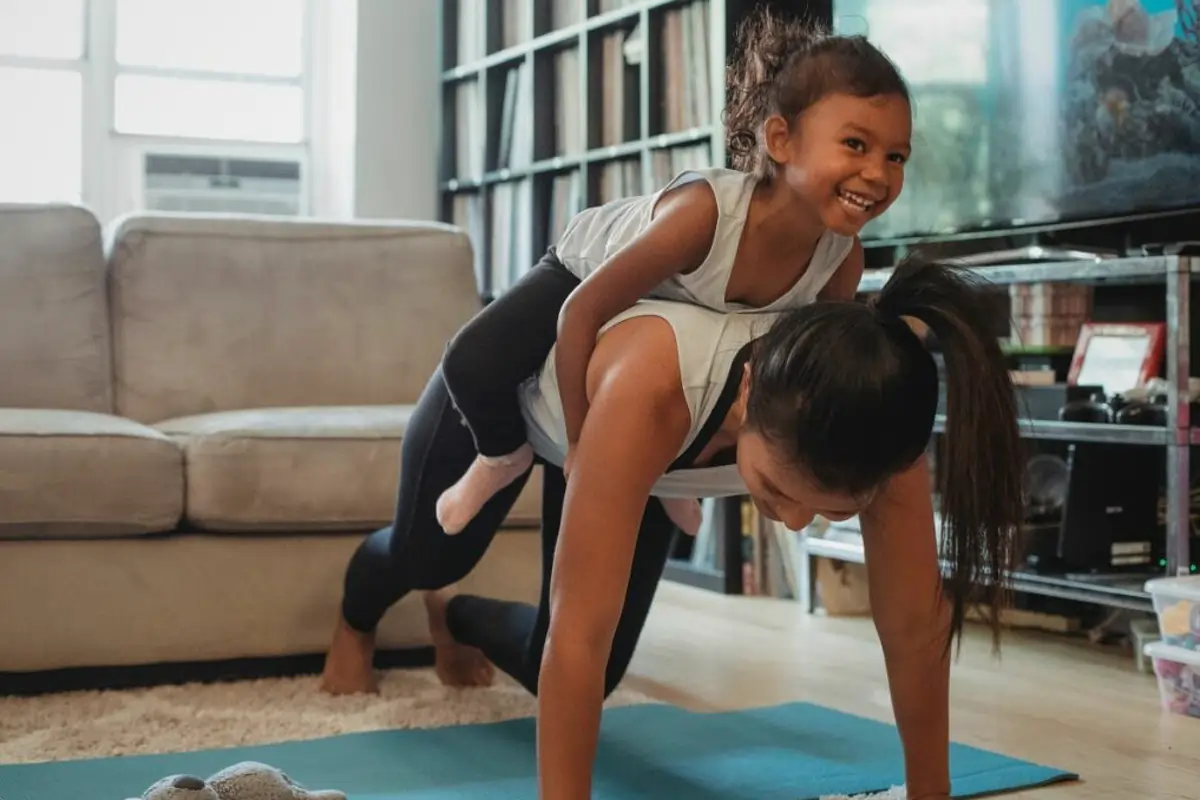
Her 10-year-old son, Ethan, had slowly become more sedentary over the past year. He used to be full of energy, but now most of his free time was spent on screens — and Dana noticed his weight creeping up, along with his mood dipping down.
“It’s not that he’s lazy,” she said. “I just don’t know how to make movement feel like something he’d actually want to do again.”
This story isn’t rare. In fact, most kids today aren’t getting enough physical activity — not because they’re defiant or unmotivated, but because movement has stopped feeling good.
It feels like:
✔ A chore
✔ A competition
✔ A “fit person” thing
✔ Or just another demand in an overstimulated day
And yet, movement is one of the most powerful, underrated tools we have to help kids:
✅ Regulate appetite and reduce cravings
✅ Support emotional regulation and learning
✅Feel strong and capable — without focusing on weight
The goal isn’t to turn your child into an athlete. It’s to help them reconnect with their body in a way that feels enjoyable — and sustainable.
“It’s not that he’s lazy,” she said. “I just don’t know how to make movement feel like something he’d actually want to do again.”
This story isn’t rare. In fact, most kids today aren’t getting enough physical activity — not because they’re defiant or unmotivated, but because movement has stopped feeling good.
It feels like:
✔ A chore
✔ A competition
✔ A “fit person” thing
✔ Or just another demand in an overstimulated day
And yet, movement is one of the most powerful, underrated tools we have to help kids:
✅ Regulate appetite and reduce cravings
✅ Support emotional regulation and learning
✅Feel strong and capable — without focusing on weight
The goal isn’t to turn your child into an athlete. It’s to help them reconnect with their body in a way that feels enjoyable — and sustainable.
🧠 Why Kids Resist Movement (And What’s Actually Going On)
1. Movement feels disconnected from pleasure.
Many kids — especially those who struggle with weight or confidence — associate movement with:
✔ Being forced
✔ Feeling judged or behind
✔ Past experiences of failure
Instead of fun, they feel pressure. Instead of energy, they feel dread.
For Ethan, gym class was where he felt the worst about himself. No wonder “going for a walk” didn’t sound fun.
✔ Being forced
✔ Feeling judged or behind
✔ Past experiences of failure
Instead of fun, they feel pressure. Instead of energy, they feel dread.
For Ethan, gym class was where he felt the worst about himself. No wonder “going for a walk” didn’t sound fun.
2. Screens are winning the dopamine game.
Let’s face it — screens offer instant rewards. Games, YouTube, and TikTok keep the brain stimulated with constant hits of dopamine. Movement doesn’t do that… at least, not right away.
Unless we reintroduce joy, novelty, and variety, activity will always lose the dopamine race.
Unless we reintroduce joy, novelty, and variety, activity will always lose the dopamine race.
3. Parents often overthink movement.
A lot of families believe movement needs to be:
✔ A sport
✔ A gym class
✔ A structured workout
But the truth? Any consistent movement counts — and has the power to regulate metabolism, boost mood, and improve mental health.
✔ A sport
✔ A gym class
✔ A structured workout
But the truth? Any consistent movement counts — and has the power to regulate metabolism, boost mood, and improve mental health.
✅ How to Gently Increase Movement For Your Child (Without a Fight)
You don’t have to push your child to run laps or join a team. Start with small, playful shifts that help movement feel natural and emotionally safe again.
1. Redefine movement as “anything that gets the body going.”
This could include:
✔ Walking the dog
✔ Dancing in the kitchen
✔ Jumping on the trampoline
✔ Shooting hoops
✔ Hiking, swimming, climbing, biking
If it gets the heart rate up, it counts.
No steps. No structure. Just helping their body wake up and feel alive again.
For Ethan, it started with walking to the mailbox and racing his little sister back. That one moment of fun sparked a whole new pattern.
✔ Walking the dog
✔ Dancing in the kitchen
✔ Jumping on the trampoline
✔ Shooting hoops
✔ Hiking, swimming, climbing, biking
If it gets the heart rate up, it counts.
No steps. No structure. Just helping their body wake up and feel alive again.
For Ethan, it started with walking to the mailbox and racing his little sister back. That one moment of fun sparked a whole new pattern.
2. Stack movement into the routine.
This is called habit anchoring — attaching movement to things that already happen every day:
✔ 5-minute stretch after breakfast
✔ Walk after school
✔ Dance break before screen time
✔ 3-minute movement blast before brushing teeth
Over time, this makes activity feel automatic — not an “extra thing” to argue about.
✔ 5-minute stretch after breakfast
✔ Walk after school
✔ Dance break before screen time
✔ 3-minute movement blast before brushing teeth
Over time, this makes activity feel automatic — not an “extra thing” to argue about.
3. Make it social — or silly.
Movement is more fun with others (and laughter). Try:
✔ Family walks with music
✔ Chore races
✔ Partner games with siblings
✔ “Crab walk to the couch” challenges
✔ Just Dance or GoNoodle videos
Dana said, “When we made it playful, he didn’t even notice we were doing exercise. He just started asking to do it again.”
✔ Family walks with music
✔ Chore races
✔ Partner games with siblings
✔ “Crab walk to the couch” challenges
✔ Just Dance or GoNoodle videos
Dana said, “When we made it playful, he didn’t even notice we were doing exercise. He just started asking to do it again.”
4. Celebrate effort, not outcome.
Instead of focusing on how far or how long they moved, focus on the intention behind it:
“I love how you got outside today — your body needed that.”
“I saw how hard you tried something new — that’s brave.”
This teaches your child that movement is about how it feels, not how they look or perform.
“I love how you got outside today — your body needed that.”
“I saw how hard you tried something new — that’s brave.”
This teaches your child that movement is about how it feels, not how they look or perform.
💡 This Isn’t About Willpower. It’s About Reconnection.
Movement isn’t punishment — it’s a gift.
A way for your child to feel strong, energized, and emotionally grounded again.But if your child resists every suggestion…
If you’re tired of nagging, negotiating, or feeling stuck…
And if deep down, you’re worried that the longer they stay inactive, the harder it’ll be to change —That’s where I can help with a free session (below).
We’ll talk through your child’s energy, routines, and screen time — and I’ll help you create a movement plan that feels good for them, works for you, and builds healthy habits that actually stick.You don’t need to force it.
You just need a starting point — and someone in your corner.
Love,
A way for your child to feel strong, energized, and emotionally grounded again.But if your child resists every suggestion…
If you’re tired of nagging, negotiating, or feeling stuck…
And if deep down, you’re worried that the longer they stay inactive, the harder it’ll be to change —That’s where I can help with a free session (below).
We’ll talk through your child’s energy, routines, and screen time — and I’ll help you create a movement plan that feels good for them, works for you, and builds healthy habits that actually stick.You don’t need to force it.
You just need a starting point — and someone in your corner.
Love,
Ready to create lasting change for your family?
Apply Here